


How to choose your MTB brake pads?
Once you have identified the models compatible with your brake calliper, you can choose from the different types of MTB brake pads according to your expectations and riding style. Here is all the information you need on the subject.
Standards
- Compound type: organic, semi-metallic, or metallic
- Backing plate type: steel, aluminium, ceramic
Types of brake pads
Reminder: different types of brake pads can be fitted to each brake model.
Brake pads always consist of two elements: the compound and the backing plate.
The compound is the part that comes into contact with the disc. There are 2 main families: organic and metallic. Organic, also known as "resin", offers the best cold performance, meaning from the very first braking; but it does not cope well with high temperatures. Conversely, metallic compound performs well on a hot brake and therefore also handles high temperatures better. Some pad manufacturers offer an intermediate option called semi-metallic (or semi-organic), combining the advantages but also the drawbacks of both types.
The pad backing plate helps to dissipate heat, limiting the rise in temperature of the brake fluid. Most backing plates are made of steel, but aluminium versions are also available. The latter has significantly greater heat dissipation capacity than steel. Some brands, such as SHIMANO, even offer aluminium backing plates with a heat sink to further improve performance.
Finally, a few brands offer ceramic brake pads. Warning: it is not the compound itself that is ceramic. In these models, there is simply a ceramic "shield" between the pad and the backing plate, as this material offers excellent temperature resistance and therefore helps to limit heat conduction towards the brake fluid.
Which brake pads should you choose?
Warning: when you change the type of compound on your brakes, it is strongly recommended to replace both the disc and the pads at the same time. (E.g. if you had resin pads and are switching to metallic pads). The bedding-in process makes the disc compatible only with the type of compound used for that operation.
-
Trail riding
Equipped with your leisure MTB for a trail ride, organic pads will offer you maximum performance from the very first braking.
-
Cross-Country
Equipped with your hardtail MTB for Cross-Country rides, organic pads will also be the most effective at maximising braking distances. You can also opt for an aluminium backing plate if your routes include a few long descents where the brakes are likely to heat up.
-
All-Mountain / Enduro
If you don't overuse the brakes, organic pads with an aluminium backing plate can be a good choice for last-minute braking. However, if you are heavy on the lever or if the terrain forces you to stay on the brakes, you will need to opt for metallic pads that won't be affected by overheating.
-
DH / Freeride
In DH / Freeride, the extreme nature of braking demands metallic pads to ensure maximum performance throughout your run*.
*run: course/descent
Découvrez tous nos conseils & Tutoriels
MTB - Brake Pads
-

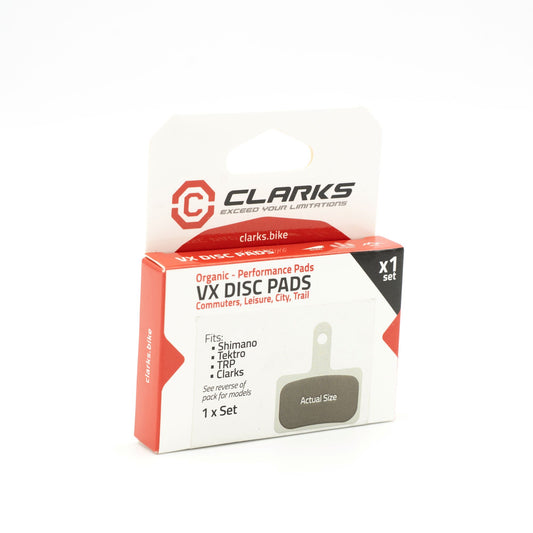
CLARKS Organic Brake Pads Shimano B05S-RX B03S B01S Deore Tektro
Regular price 15,00 PLNRegular priceUnit price per -
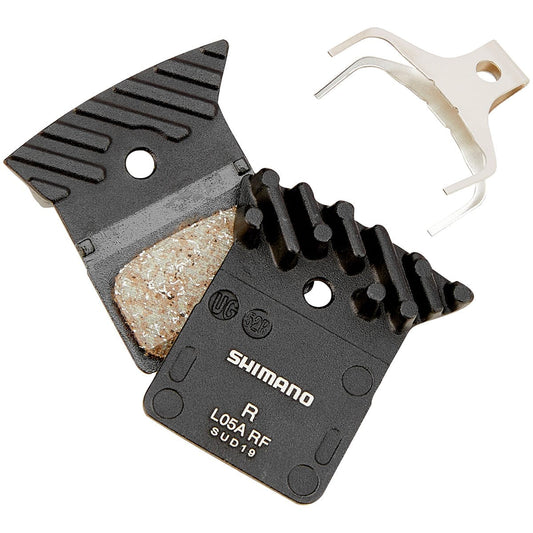
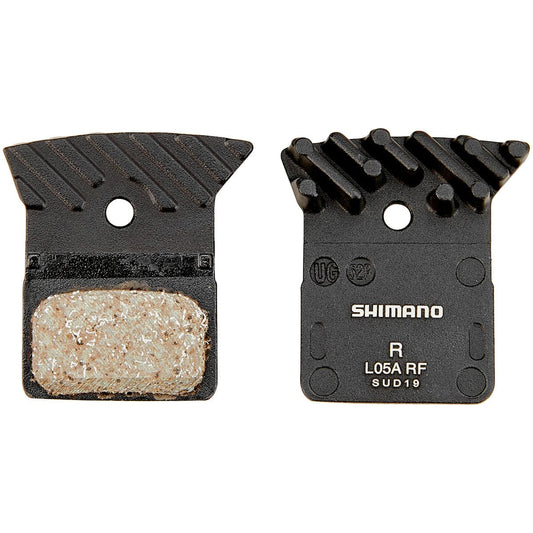
SHIMANO L05A-RF Dura-Ace/Ultegra/105/Tiagra/GRX/Metrea Organic Brake Pads
Regular price 72,00 PLNRegular priceUnit price per -
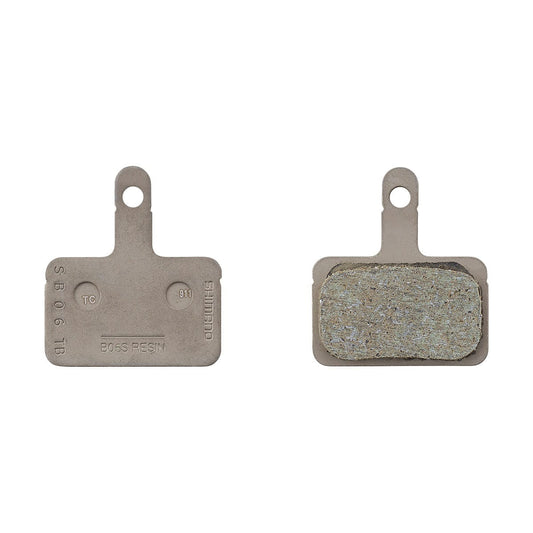
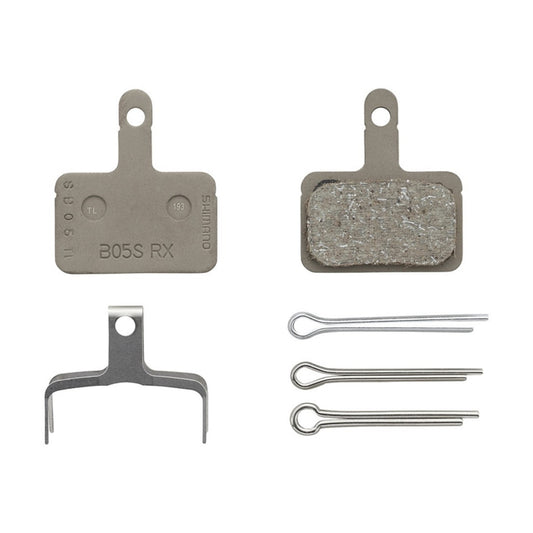
SHIMANO B05S-RX Organic Brake Pads
Regular price 29,00 PLNRegular priceUnit price per -
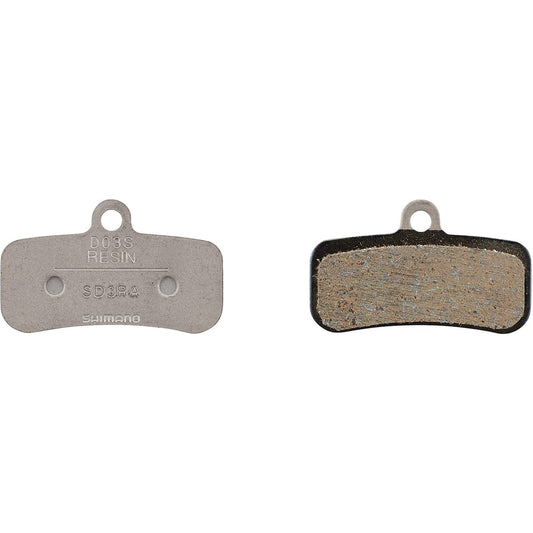
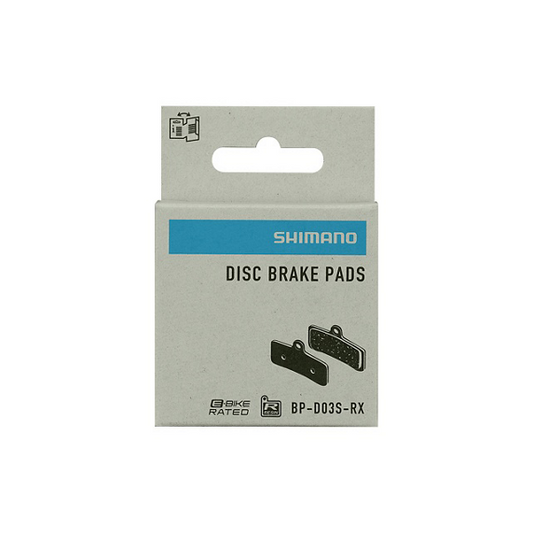
SHIMANO D03S Organic Brake Pads
Regular price 76,00 PLNRegular priceUnit price per -
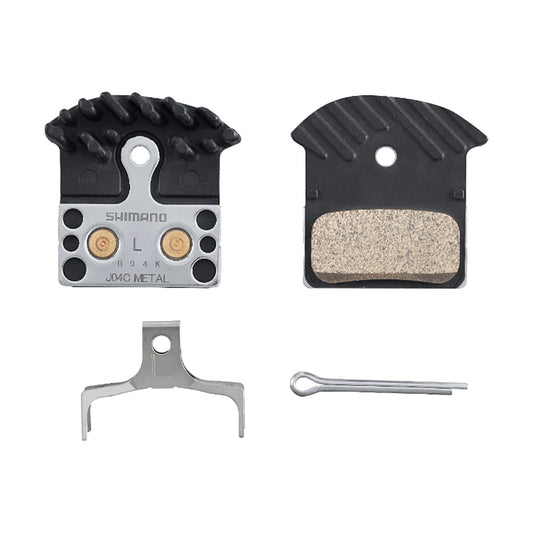
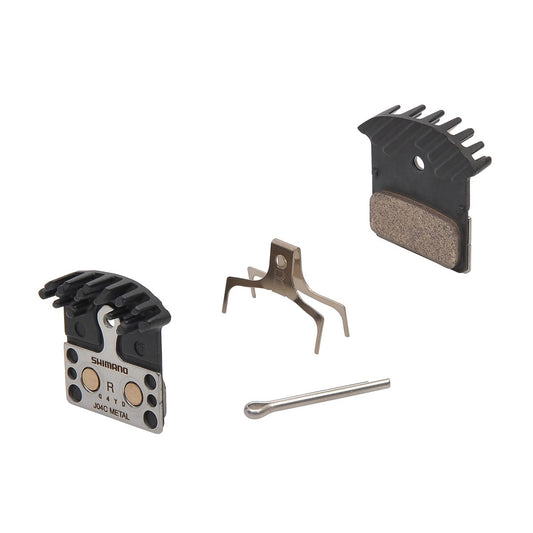
SHIMANO J04C Ice Tech XTR/XT/SLX/Deore Metal Brake Pads
Regular price 105,00 PLNRegular priceUnit price per -

SHIMANO K05S-RX XTR/Dura Ace/Ultegra/105/Tiagra Organic Brake Pads
Regular price 38,00 PLNRegular priceUnit price per -

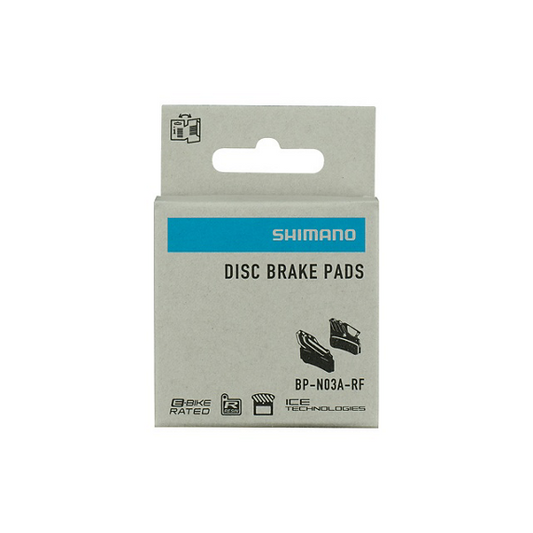
SHIMANO N03A Organic Brake Pads
Regular price 95,00 PLNRegular priceUnit price per -
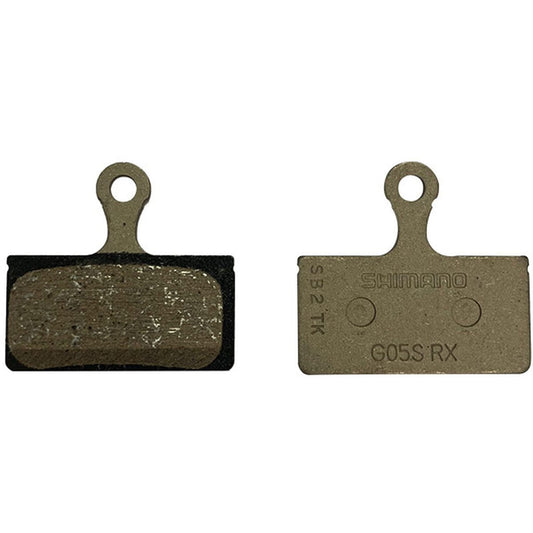
SHIMANO G05S-RX Organic Brake Pads
Regular price 48,00 PLNRegular priceUnit price per


